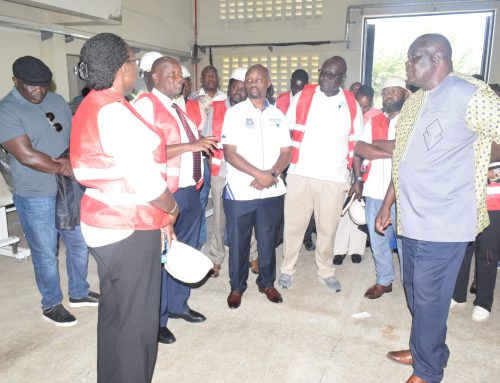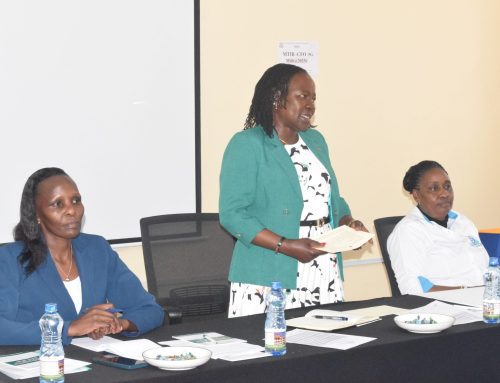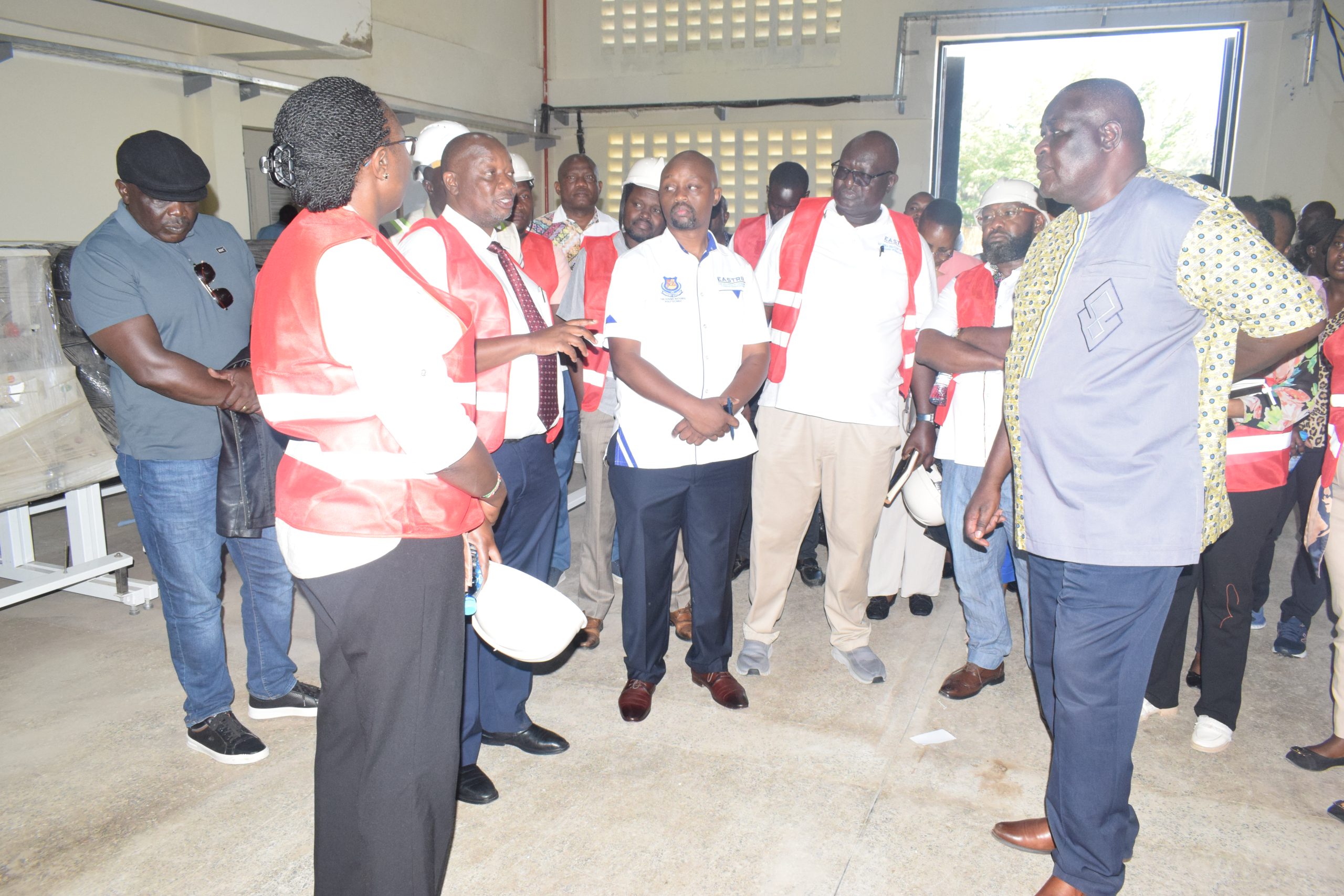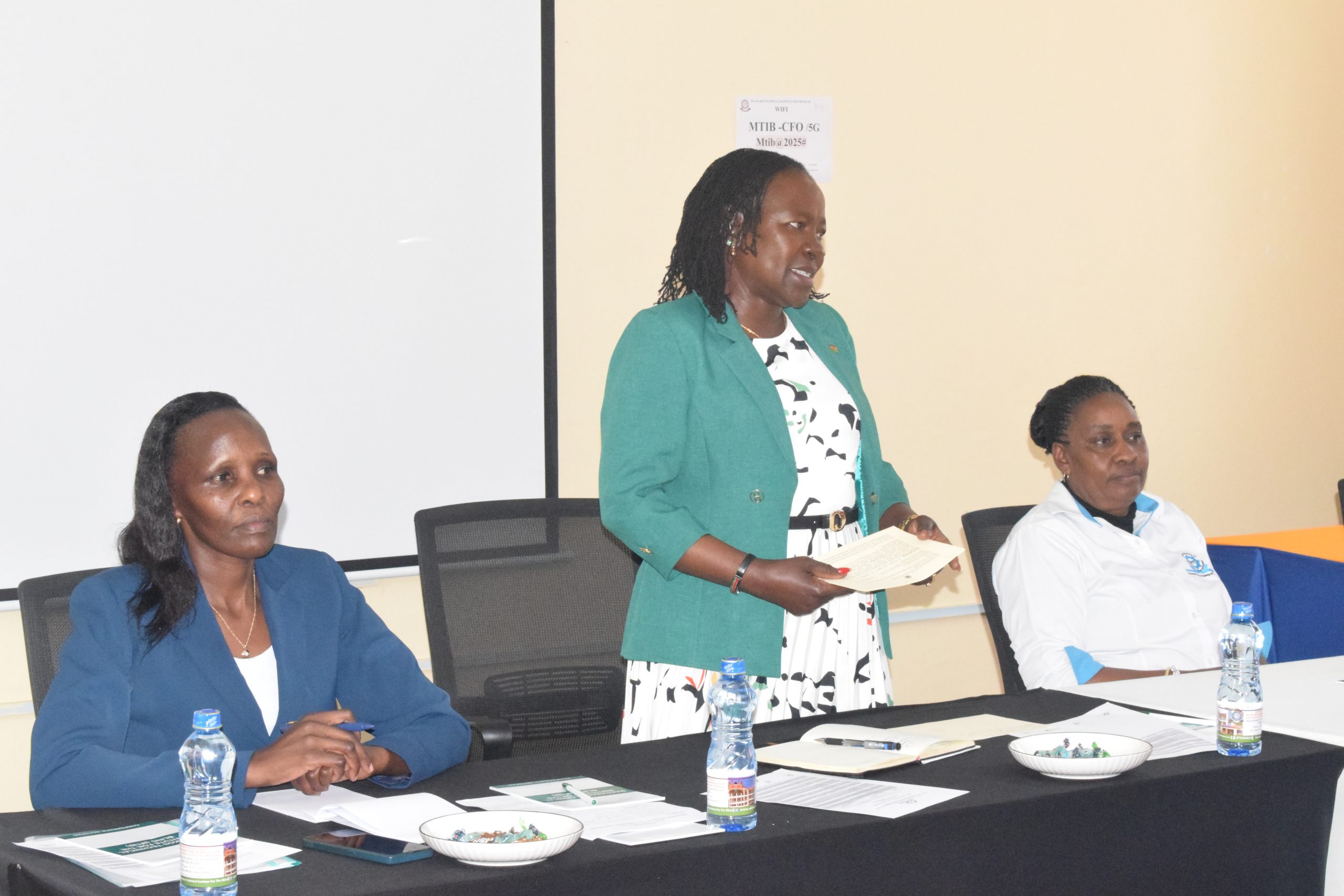
The International Labour Organization (ILO), in partnership with the Technical and Vocational Education and Training Authority (TVETA), successfully concluded a four-day stakeholder validation and sensitization workshop on the proposed Homecraft Centres (HCCs) and Apprenticeship Standards in Naivasha.
The workshop brought together a broad spectrum of stakeholders from national and county governments, training institutions, industry associations, regulatory agencies, and development partners. Participants included representatives from counties such as Nairobi, Busia, Bungoma, Turkana, and Kirinyaga, alongside key organizations including the Kenya Association of Manufacturers (KAM), National Industrial Training Authority (NITA), Kenya Private Sector Alliance (KEPSA), Kenya National Chamber of Commerce and Industry (KNCCI), National Construction Authority (NCA), and the Kenya National Federation of Jua Kali Associations.
The engagement focused on validating the draft standards to ensure they are practical, responsive, and aligned with the evolving needs of the skills development sector. Stakeholders reviewed frameworks for the regulation, management, sustainability, and quality assurance of Homecraft Centres and apprenticeship programmes, while identifying key areas for improvement before finalization.
Discussions underscored the critical role Homecraft Centres play in preserving indigenous knowledge and skills, empowering vulnerable groups, promoting entrepreneurship, and supporting local economic development. Participants also highlighted challenges affecting the sector, including inadequate funding, limited infrastructure, shortages of qualified trainers, and weak market linkages for homecraft products.
To address these challenges, stakeholders proposed a comprehensive framework that emphasizes flexible qualification pathways, including the Recognition of Prior Learning (RPL), stronger industry partnerships, enhanced apprenticeship systems, and greater inclusion of women, youth, and marginalized groups.
Speaking during the workshop, ILO representative Mr. Steve Mwangi reaffirmed the organization’s support for the initiative, noting that the proposed standards are aligned with international best practices and the principles of quality apprenticeships. He also emphasized the importance of integrating green and digital skills to prepare learners for the future of work.
TVETA Acting Director General Mr. Timothy Nyongesa Katiambo noted that the standards will provide a critical framework for preserving indigenous skills, strengthening livelihoods, promoting self-employment, and expanding access to quality skills development opportunities across the country.
The recommendations and insights generated during the workshop will inform the final refinement of the standards. Going forward, stakeholders committed to strengthening collaboration between government, industry, and training providers, while prioritizing sustainable funding models, effective enforcement mechanisms, and robust quality assurance systems.
The initiative marks a significant step towards strengthening apprenticeship systems and promoting inclusive, industry-responsive skills development that contributes to Kenya’s socio-economic transformation.